
Debunking Myths About Probiotics: What You Need to Know
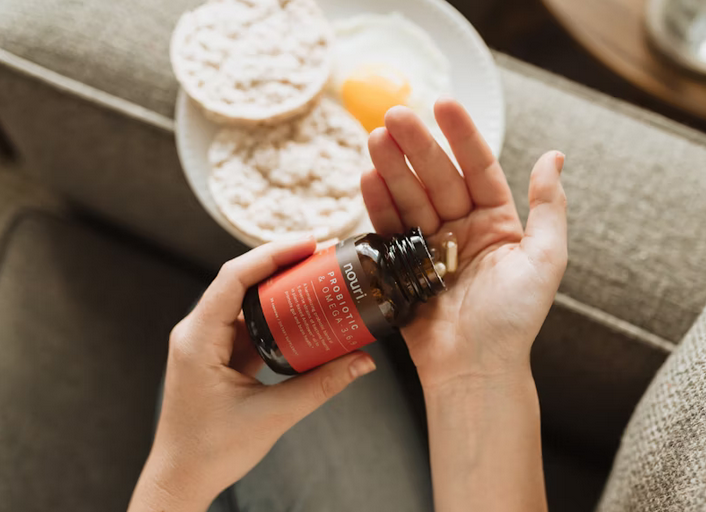
Probiotics have become a hot topic in recent years, appearing in everything from yogurt labels to supplement bottles. They’re frequently marketed as miracle solutions for gut health, immunity, and even mental wellness. But with growing popularity comes an increase in misinformation. Many people are unsure what probiotics actually do, how they should be taken, and whether they are even necessary at all. Some assume all probiotics are the same, while others believe they offer instant health fixes. In this article, we aim to dispel the top myths surrounding probiotics. Whether you’re new to the concept or have been using probiotics for years, it’s time to separate facts from fiction—and make informed decisions about what’s really best for your health.
All Probiotics Are the Same
One of the most common misunderstandings is that all probiotics work in the same way. In reality, probiotics come in various strains, each with different effects. For instance, Lactobacillus acidophilus may aid digestion, while Bifidobacterium bifidum could support immune function. Just because two products are labeled “probiotic” doesn’t mean they offer identical benefits. The effectiveness of a probiotic depends on the strain, the dose, and the condition it’s intended to address. So, buying any random product from a store shelf and expecting results is unrealistic.
Probiotics Don’t Survive Stomach Acid

Some believe that probiotics are destroyed by stomach acid and therefore don’t make it to the gut where they’re needed. While it’s true that the stomach is highly acidic, many probiotic strains have evolved or been developed to survive that journey. Certain formulations include delayed-release capsules or protective coatings that help live bacteria reach the intestines. Others contain strains naturally resistant to harsh environments. It’s wise to choose products that indicate their survivability in stomach conditions rather than dismissing all probiotics as ineffective.
You Only Need Probiotics After Antibiotics
It’s widely accepted that antibiotics disrupt gut flora, and many turn to probiotics during recovery. But limiting their use to only those periods is a missed opportunity. Daily stress, poor diet, illness, and environmental factors can all impact the balance of good and bad bacteria in your gut. Taking probiotics regularly—even outside of antibiotic treatment—can help support overall digestive balance and immune function. That said, it’s important to consult a health professional if you have chronic conditions or take medications, to avoid any interference.
Probiotics Work Instantly

Probiotics are not quick-fix solutions. Expecting immediate results after taking one capsule or eating a cup of yogurt is unrealistic. Unlike painkillers or antacids that provide rapid relief, probiotics work by gradually restoring and supporting a healthy microbial environment. It can take several days—or even weeks—before noticeable changes occur. Your diet, lifestyle, and the specific strain you’re using all play a role in the speed and degree of improvement. Patience is essential. Consistency in intake is also key to maintaining benefits over time.
You Can Get All the Probiotics You Need from Food Alone
While fermented foods like kefir, sauerkraut, and kimchi are fantastic sources of probiotics, relying solely on them might not be sufficient—especially for individuals targeting specific health concerns. Probiotic supplements are often concentrated and standardized, offering guaranteed amounts of active strains. Foods, on the other hand, can vary in probiotic content depending on how they’re prepared or stored. For general wellness, food-based probiotics are helpful. But if …

 Probiotics can also have a positive effect on mental health. Studies show that
